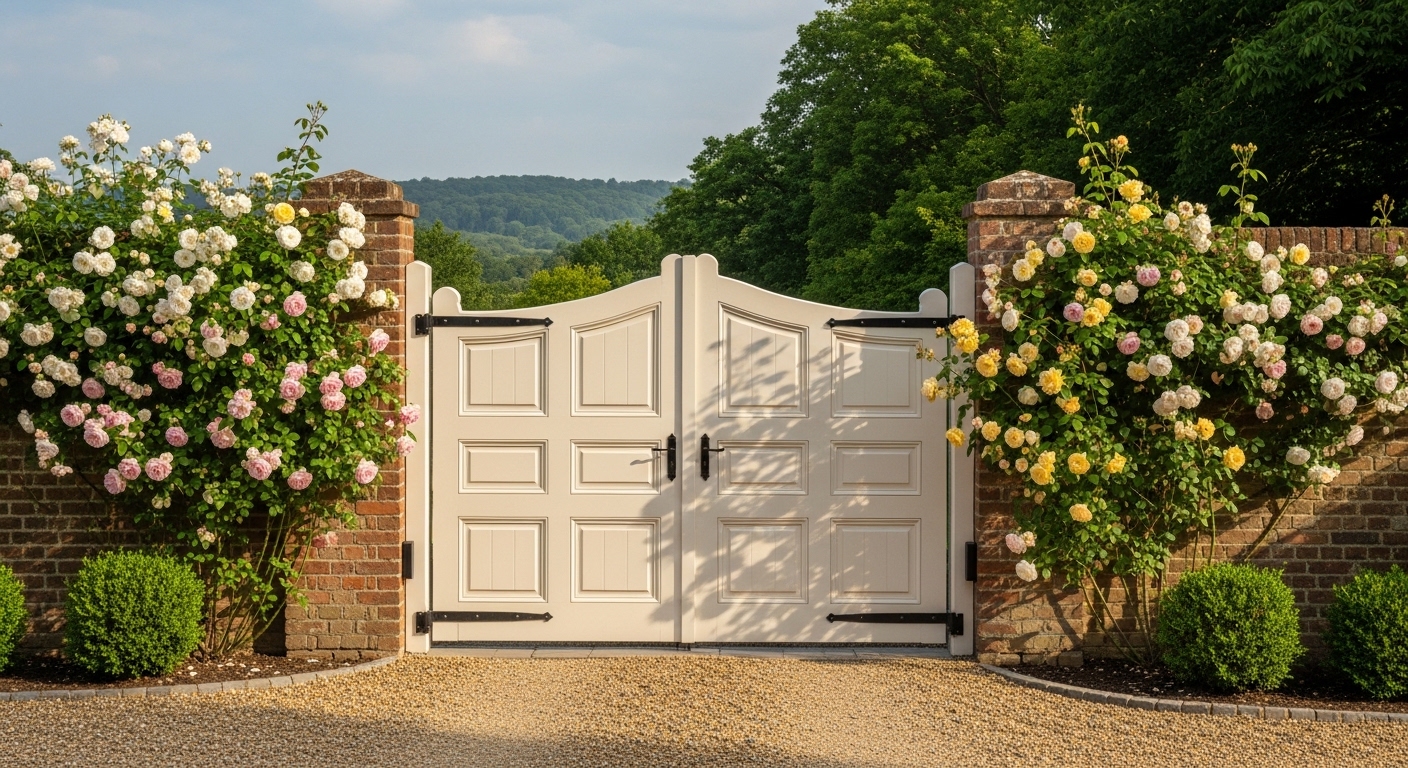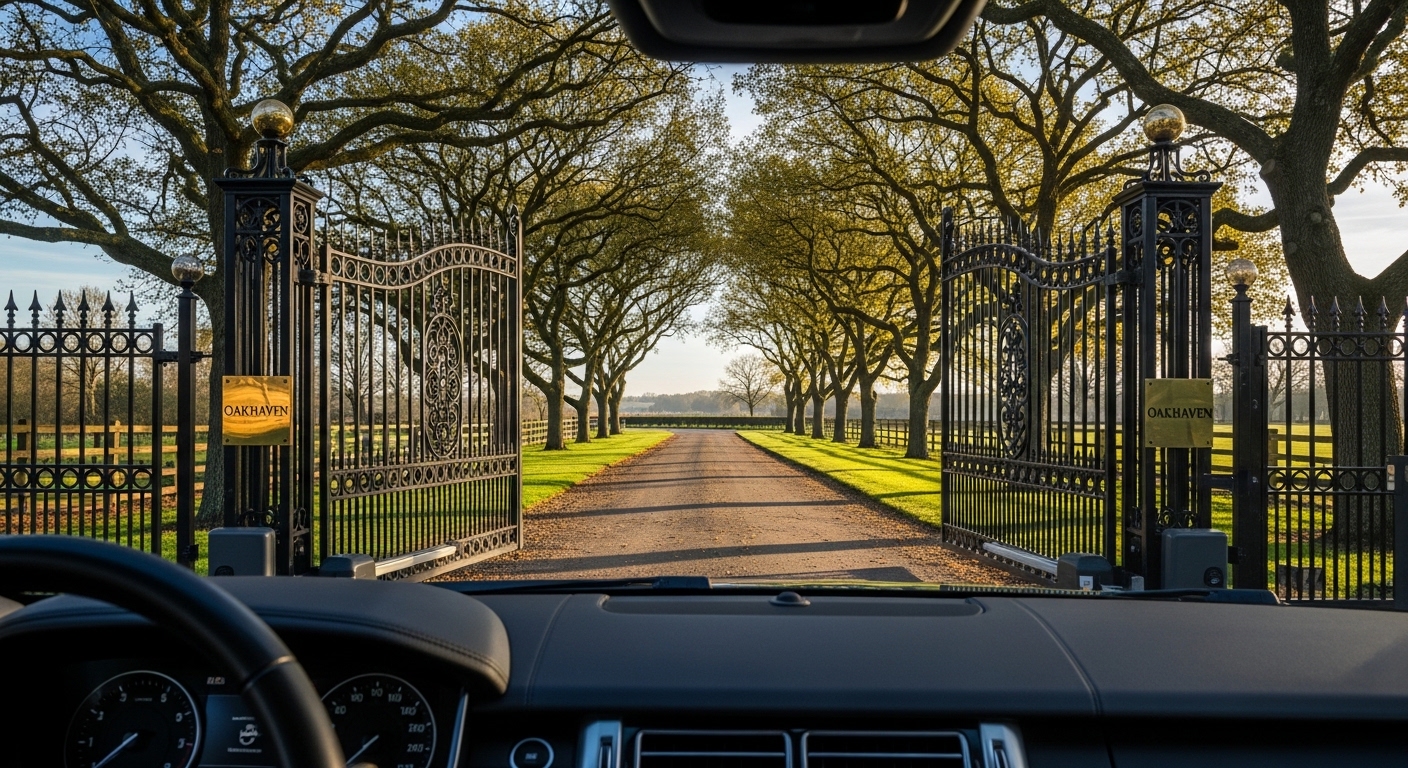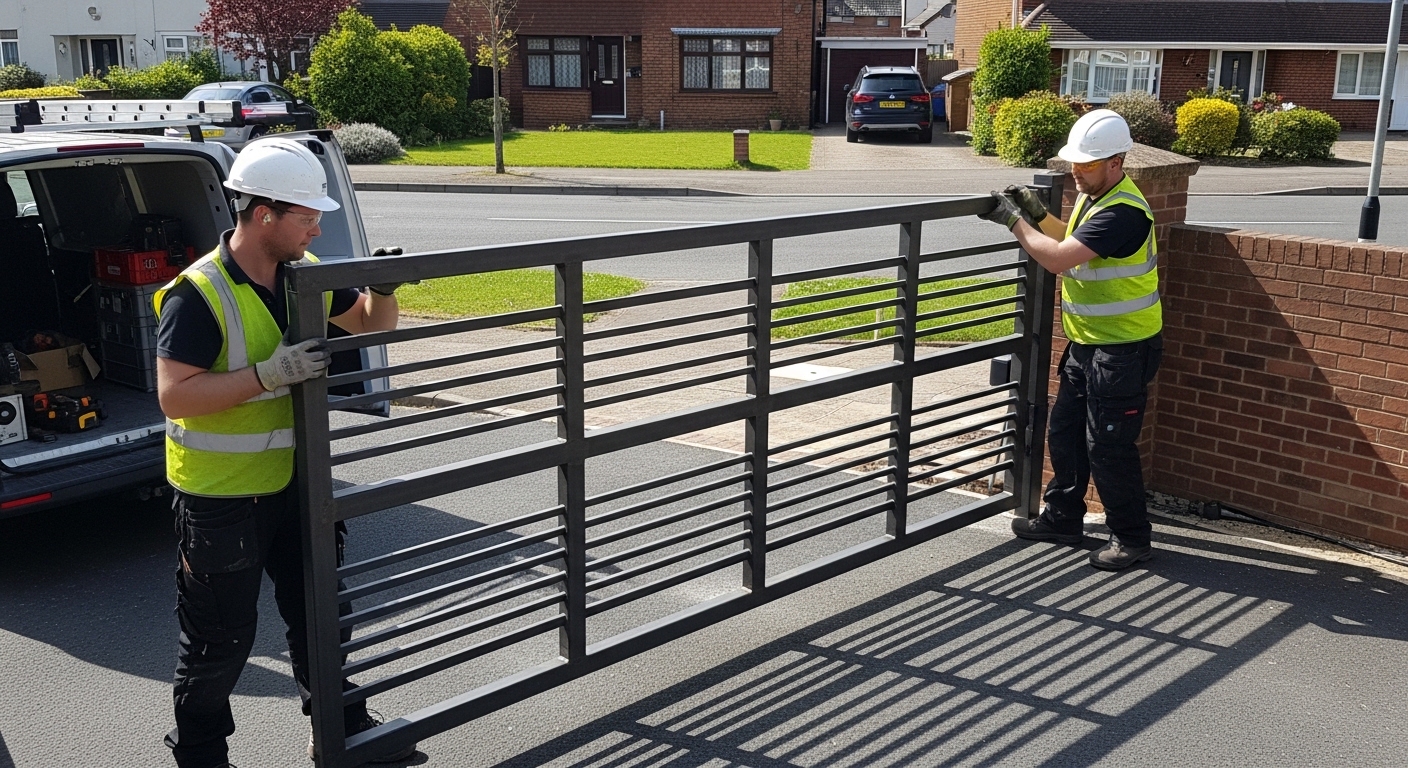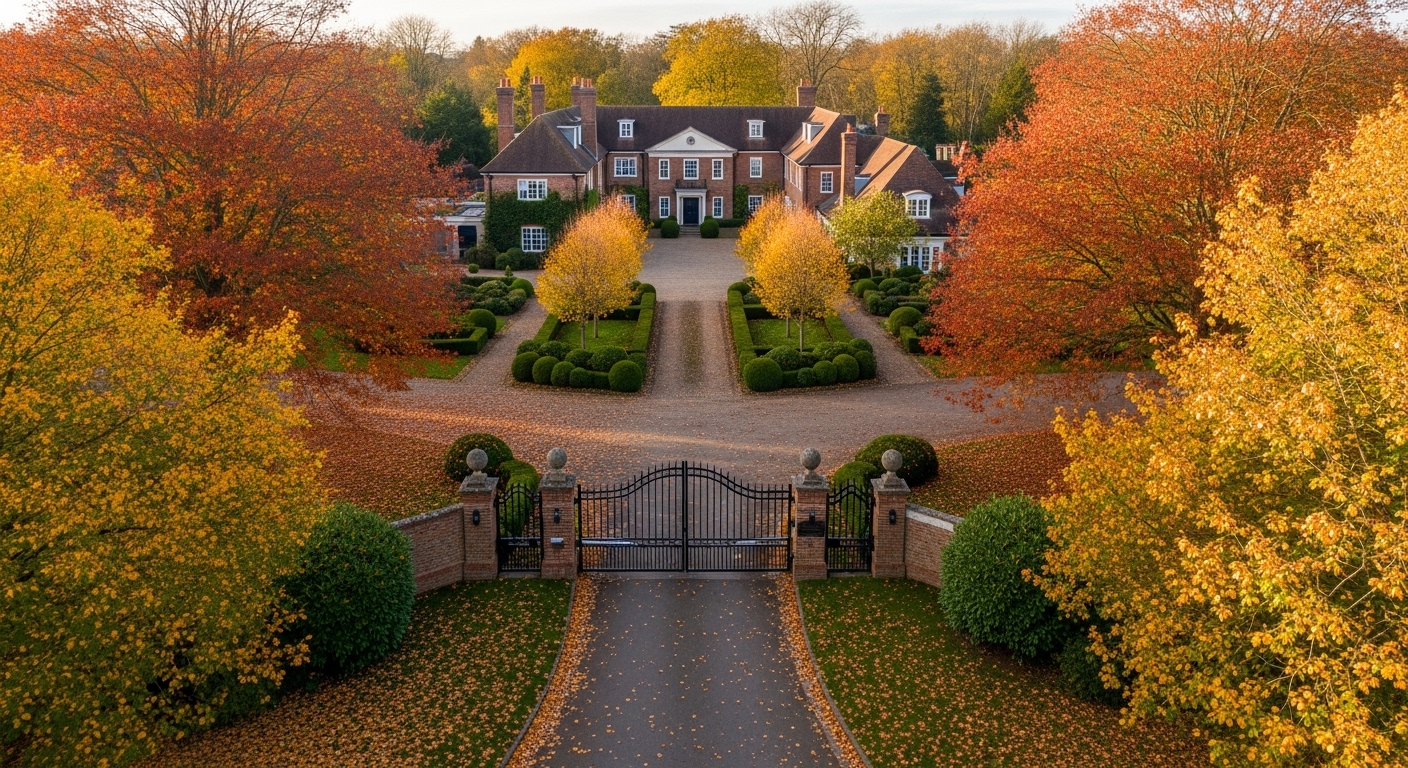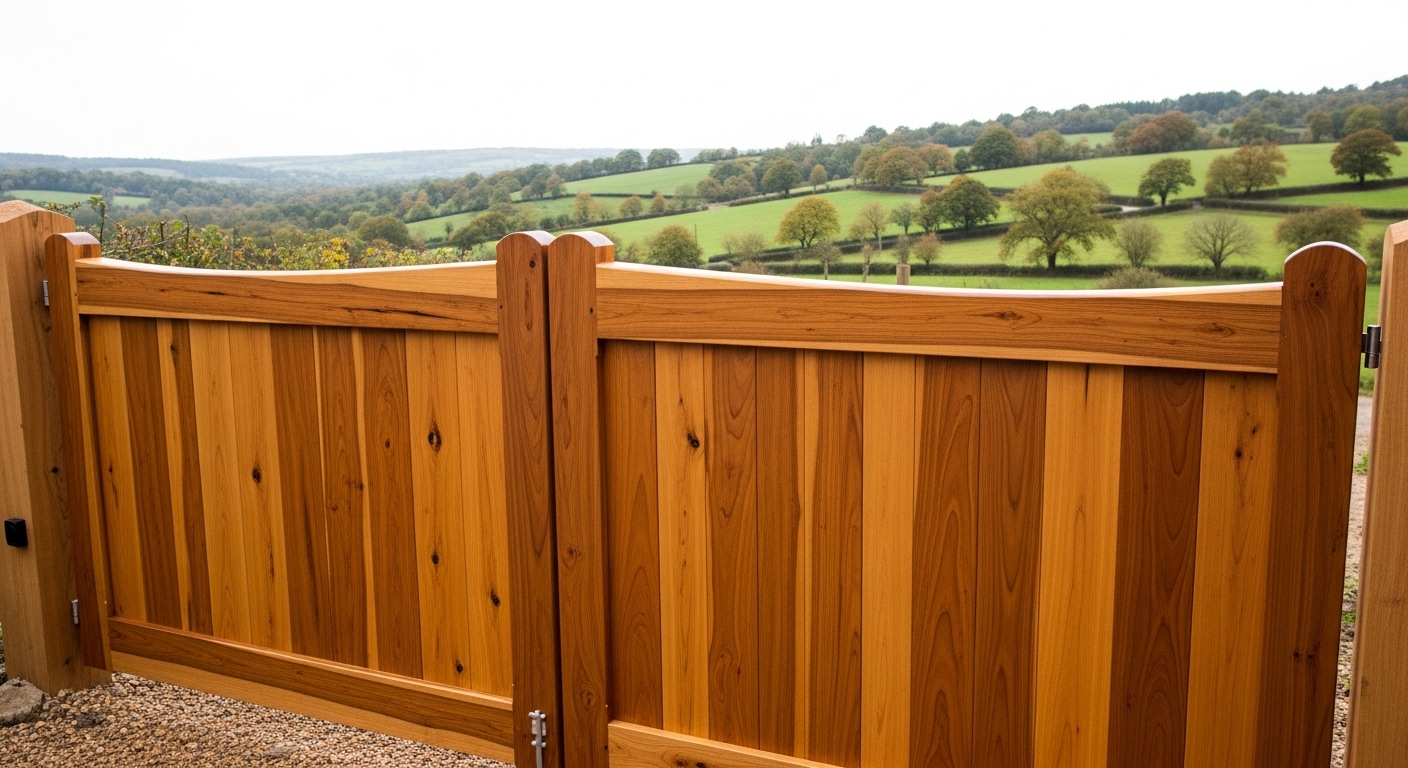
Surrey has a higher proportion of its land area covered by landscape and planning designations than almost any other English county. The Surrey Hills Area of Outstanding Natural Beauty covers a broad sweep of the southern and western county, from the Hampshire border near Farnham across through Guildford, Dorking, and Reigate to the Kent border near Oxted. Green Belt designation covers most of the county's remaining rural land, extending through the northern commuter belt and into the areas immediately around the main towns.
For homeowners planning a driveway gate installation within these designations, the planning position needs to be understood before committing to a design or ordering materials. This guide explains the rules, the consent requirements, and the practical approach to getting a gate project through the planning process in designated Surrey landscapes.
Permitted Development and Residential Gates
Under permitted development rights, most residential gates do not require a planning application. A gate up to two metres in height, opening onto a private property and not fronting a classified road, is generally permitted without consent. Where the gate fronts a classified road or public highway, the height limit reduces to one metre. These rights apply across England, including within the Surrey Hills AONB and the Green Belt.
The critical exceptions are: listed buildings, where any external works including gate installation may require listed building consent; properties within conservation areas, where permitted development rights are often removed or modified by Article 4 directions; and properties subject to planning conditions from a previous application that specifically restrict external structures. A significant number of Surrey properties in the AONB and Green Belt fall into one or more of these categories.
Free Matching Service
Ready to get driveway gate quotes?
Get matched with vetted Surrey installers, no obligation and no cost.
The Surrey Hills AONB: What It Means in Practice
The AONB designation does not by itself remove permitted development rights for residential gates. What it does do is make planning applications, where they are required, subject to a higher test of landscape impact. The relevant local authorities (Surrey Hills is administered across multiple planning authorities including Guildford, Mole Valley, Waverley, Tandridge, and Surrey Heath) apply national AONB policy, which requires that development within the AONB conserves and enhances the natural beauty of the landscape.
In practical terms, this means that gate installations within the Surrey Hills AONB that require planning consent are more likely to face scrutiny over materials, design, and scale than equivalent applications outside the designation. A planning officer assessing a gate application in an AONB village will consider whether the proposed gate is in keeping with the rural character of the lane, the local building materials, and the surrounding landscape. A proposal for a modern aluminium sliding gate on a rural plot in the Surrey Hills is less likely to sail through than the same gate on a commuter belt street in Woking.
Green Belt: Development Restrictions and Their Limits

Green Belt policy restricts new development rather than alterations to existing buildings and structures. The installation of a residential driveway gate is not new development in the planning policy sense: it is a minor domestic alteration. Permitted development rights apply in the Green Belt in the same way as elsewhere. The Green Belt designation does not, on its own, mean that you need planning permission for a gate that would otherwise be permitted.
Where the Green Belt designation becomes relevant is in the context of associated work. New gateposts, new walls, new pillars, or hard surfacing associated with a gate installation can constitute development requiring consent, particularly if they are of significant scale. A pair of posts set in concrete footings is generally uncontentious. A new brick boundary wall with piers and gates fronting a rural lane in the Surrey Green Belt is a different proposition and may warrant a pre-application enquiry to the local planning authority.
Conservation Areas: Where the Rules Tighten Most
Conservation area designation has the most significant practical impact on gate installation projects of any planning designation in Surrey. Article 4 directions in conservation areas commonly remove the permitted development rights that would otherwise allow residential gates without consent, meaning that a planning application is required where it would not normally be needed. Conservation areas cover the historic cores and many residential streets of Guildford, Godalming, Farnham, Reigate, Dorking, and numerous Surrey villages.
Within conservation areas, the planning authority's focus is on protecting the character of the area as a whole. This means that the material, design, and scale of a proposed gate are all likely to be relevant to any planning assessment. Traditional materials (timber, wrought iron, mild steel) are generally better received than modern aluminium. Gates that are too large, too heavy in appearance, or too different from the character of adjacent boundary treatments are likely to face objection.
How to Approach the Planning Process
For any gate project where planning consent may be required, the most effective approach is a pre-application enquiry to the relevant local planning authority. This is an informal consultation that allows you to present your proposal and receive officer feedback before submitting a formal application. Most Surrey planning authorities offer this service for a modest fee. The feedback will tell you whether your proposal is likely to be acceptable and, if not, what changes would make it so.
Installers who work regularly in the AONB and conservation areas of Surrey understand this process well. They can advise on the most appropriate gate design for the location, prepare the supporting documentation that a planning application requires, and in some cases handle the application on your behalf. Choosing an installer with genuine experience of the Surrey planning environment is particularly valuable for projects in designated areas.
Timescales and the Planning Process
A householder planning application for a residential gate has a statutory determination period of eight weeks. In practice, many Surrey authorities meet or exceed this target, particularly for straightforward domestic applications. Allow for the possibility of a longer process, particularly if your application involves a listed building (where Historic England may be consulted) or a complex conservation area site. Start the planning process well before your intended installation date to avoid delays to the wider project.